
Flu, COVID and RSV: Protecting Your Family This Winter
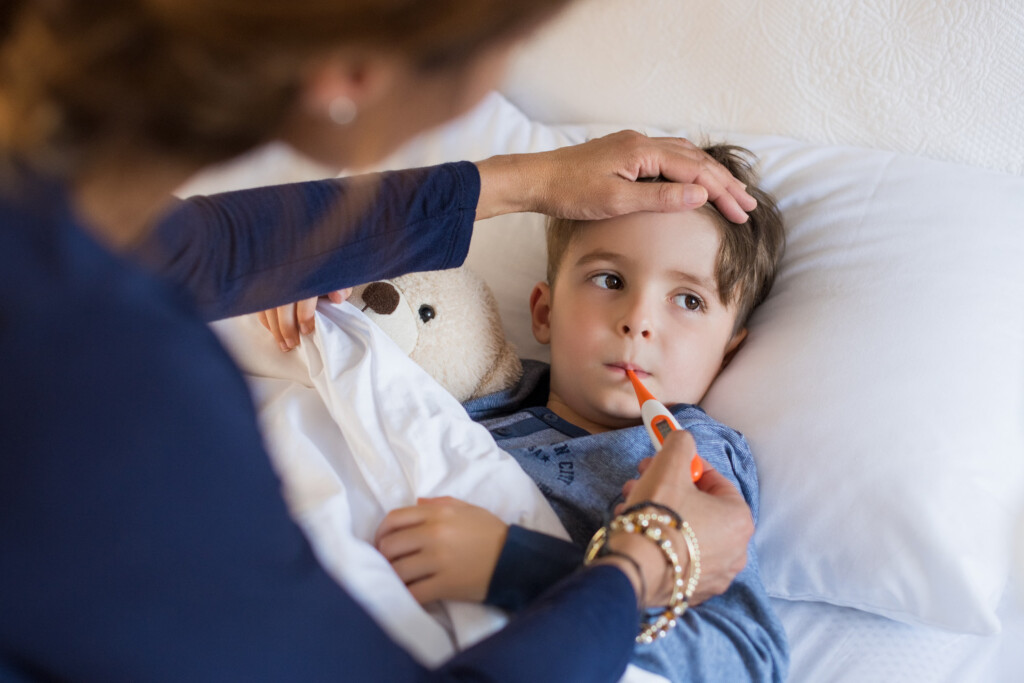
Fall is here, and with it comes cold and flu season. Three common respiratory infections that circulate each fall and winter can be prevented, or made less severe, by vaccination: influenza, COVID-19, and respiratory syncytial virus (RSV). The recommendations differ by virus and by age, and guidance has shifted over the past year. Here is additional information:
Influenza
Flu shots for the 2026-2027 season are available now. Each year, vaccine scientists choose the strains for the coming winter’s vaccine from what is circulating in the Southern Hemisphere and around the world. Last season in the United States, influenza was particularly hard on children: the peak weekly hospitalization rate was the highest since 2011, with 195 pediatric deaths reported. About 85 percent of the vaccine-eligible children who died were not fully vaccinated. The vaccine reduced a child’s risk of flu hospitalization by an estimated 41 percent.
The flu vaccine prevents many, but not all, flu infections. What it reliably does is lower the odds of a bad outcome. Despite this, childhood flu vaccination in the United States has fallen from about 64 percent at the start of the decade to under 50 percent last season.
The American Academy of Pediatrics (AAP) recommends the flu vaccine every year for everyone six months and older. Protection takes about two weeks to develop, so an October shot prepares you well before winter illness peaks. Children under nine who are getting a flu vaccine for the first time need two doses four weeks apart for full protection, which is a reason to start younger age children early.
COVID-19
For most healthy school-age children COVID has become a mild illness, and the recommendations now are reflective of the impact. The risk is concentrated in the youngest children, whose hospitalization rates are the highest of any pediatric age group. The AAP recommends this season’s COVID vaccine for all children 6 through 23 months old. Children of this age range need more than one dose if they have not been vaccinated before.
The APP also recommends a single dose for children 2 through 18 years old who are at higher risk of severe disease, have never been vaccinated or have regular contact with someone at high risk. Other healthy children can receive a single dose if the family wants protection. The Washington Department of Health gives the same guidance. COVID vaccines are available through pharmacies or the health department.
RSV
RSV is the most common reason infants are hospitalized in this country, and there are now two ways to protect them. The first is a vaccine given to the mother between 32 and 36 weeks of pregnancy, so that the mother’s antibodies pass to the baby before birth. The second is a single injection of ready-made antibody (nirsevimab or clesrovimab), given from October through March to babies under eight months old who are entering their first RSV season. Most babies need one or the other, not both. In large studies since its release, the antibody has reduced RSV hospitalizations by roughly 65 to 80 percent. Some toddlers with high-risk conditions qualify for a dose in their second season. For healthy older children RSV usually presents as a common cold, so there is no recommended immunization for them.
Adults
A yearly flu vaccine is recommended for all adults, and those 65 and older should ask for one of the stronger formulations made for their age group (high-dose, adjuvanted, or recombinant). The updated COVID vaccine is recommended for everyone 65 and older, with a second dose later in the season, and for younger adults who have conditions that raise their risk or who live with someone at high risk. The vaccine also remains available to any adult who would like it and the added protection. The RSV vaccine is a single lifetime dose, recommended for everyone 75 and older and for adults 50 through 74 with heart, lung or other chronic disease.
What Has Changed
Families may have heard that federal vaccine recommendations recently changed. The CDC now lists flu and COVID vaccines for children under “shared clinical decision-making,” which means the family and the clinician decide together. The change is regarding the wording of federal guidance; the evidence on what these vaccines do for children is unchanged.
In Washington State, the childhood immunizations described here are provided at no cost for everyone under 19 through the state’s Childhood Vaccine Program. Check with your primary care provider, your local pharmacies or the health department to protect your family this winter. Patients can call or text the clinic at 360.376.2561 to schedule vaccinations.